
Residential Sewer Line Repair in Gardena, CA
Licensed C-36 sewer and drain specialists serving Gardena, ZIP codes 90247, 90248, and 90249. Same-day camera inspections, upfront written pricing, and repair methods matched to your home’s actual pipe — not the one that’s easiest to sell.
24/7 Sewer & Drain Specialists — Gardena, CA

Camera-Verified Diagnosis Before Any Repair Recommendation
Was your home built in Gardena during the postwar boom years? Are you dealing with slow drains, a sewage smell in the yard, or a backup that keeps coming back no matter how many times it’s been snaked? The cause is almost always the same. An aging clay, cast iron, or Orangeburg sewer lateral has finally reached the end of its service life.
This isn’t a guess. It’s the pattern we see on camera inspection after camera inspection in this exact market. Gardena’s older neighborhoods were built in a narrow window of decades, using a narrow set of pipe materials. All of them are now well past the age where problems start.
FlowPro diagnoses the actual condition of your line with a camera before we quote anything. We’ll tell you plainly if a $400 spot repair fixes it, or if you actually need a full replacement. Sewer and drain work is the only thing we do. We’re not a general plumbing company that handles sewer lines on the side. That focus is the point. Every job we run sharpens the same skill set.
We Know Gardena’s Sewer Lines Like the Back of Our Hand
Gardena was incorporated on September 11, 1930, bringing together the older farming communities of Gardena, Moneta, and Strawberry Park into a single city. A large share of the housing in neighborhoods like Hollypark and El Camino Village was built in the postwar building boom that followed. That building era determines what material is buried under your yard right now, and it’s the starting point for every inspection we run.
Homes from that period were almost universally plumbed with one of three materials for the sewer lateral. We know these three materials the way a specialist knows their field, because we see them on camera nearly every week:
- Vitrified clay pipe, joined in short sections with mortar or rubber gaskets. The joints are the weak point. They shift, separate, and crack over decades of soil movement, and every gap is an open invitation for root intrusion.
- Cast iron pipe, which corrodes from the inside as sewage gases and moisture interact with the metal. It doesn’t fail all at once. It narrows gradually until a 4-inch line is functionally much smaller.
- Orangeburg pipe (bituminous fiber pipe, once marketed as “no-corrode” pipe), common in the years right after WWII when cast iron was scarce. It doesn’t corrode, but it delaminates and loses its round shape, and eventually collapses under the weight of the soil above it.

5+
Years — Sewer & Drain Only
3
Gardena ZIP Codes Served
None of these three materials were engineered with a 70 to 80 year service life in mind. If you own a home in Gardena from this era, the question isn’t if the lateral will need work. It’s when, and whether that happens on your terms with a $600 to $2,000 spot repair, or on the pipe’s terms as a middle-of-the-night backup that turns into a $20,000-plus emergency.
Camera-Verified Diagnosis
We show you what the camera sees before recommending any repair.
24/7 Emergency Response
Active backups do not wait for business hours, and neither do we.
C-36 Licensed & Insured
Sewer and drain is the only thing we do — verify our license at cslb.ca.gov.

24/7
Emergency Dispatch Available
Areas We Serve – Serving Every Corner of Gardena, CA
We serve homes throughout Gardena, CA, ZIP codes 90247, 90248, and 90249. Every job gets the same camera-first, trenchless-when-appropriate approach, no matter which part of the city you’re in.
Hollypark · El Camino Village · Strawberry Park · Moneta
Emergency Line
Available 24/7
Call to Schedule
(833) 770-5501
Our Gallery
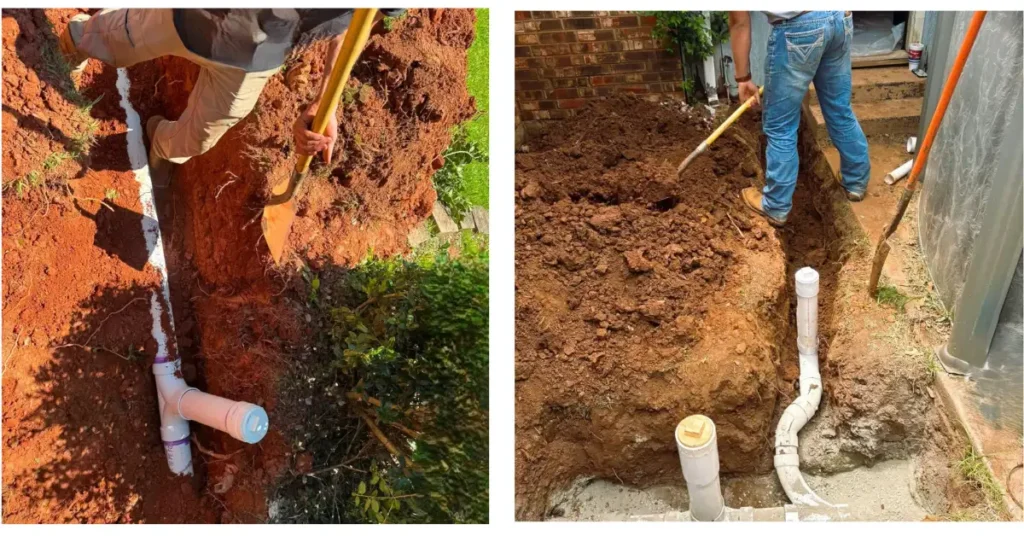
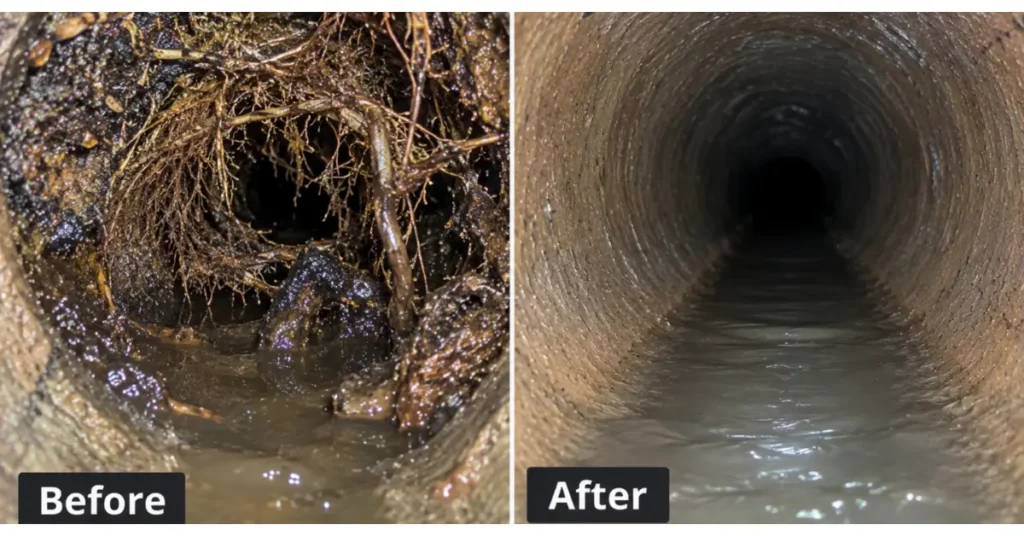
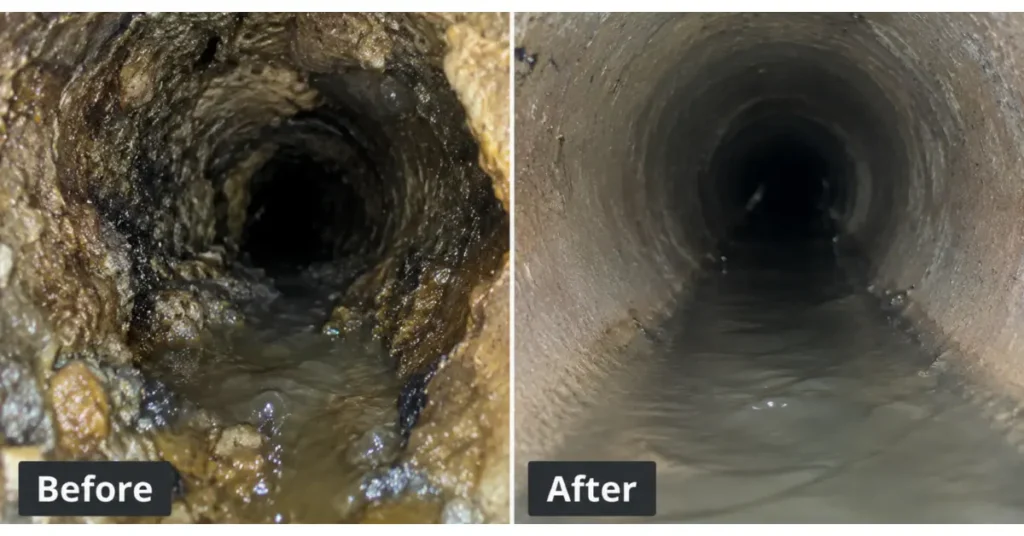
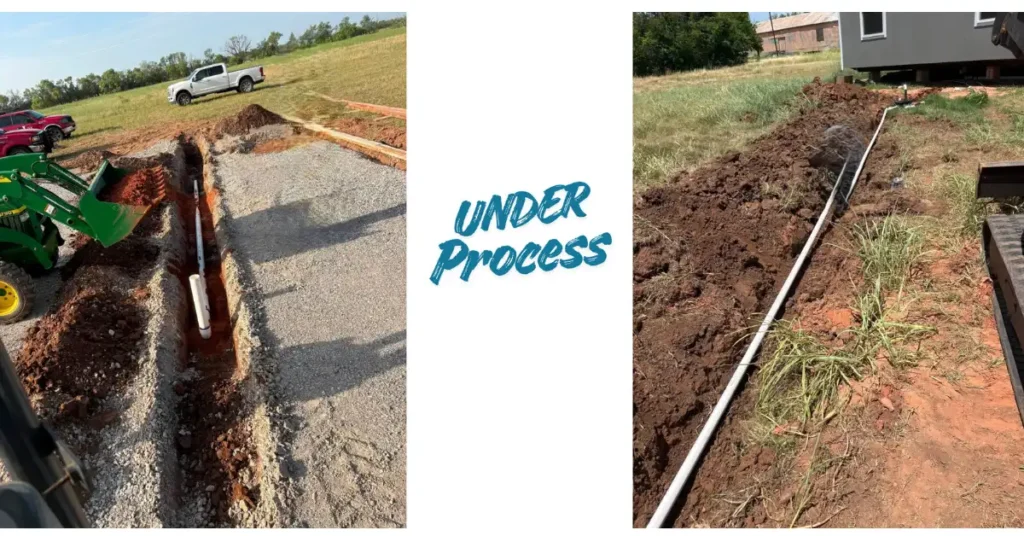
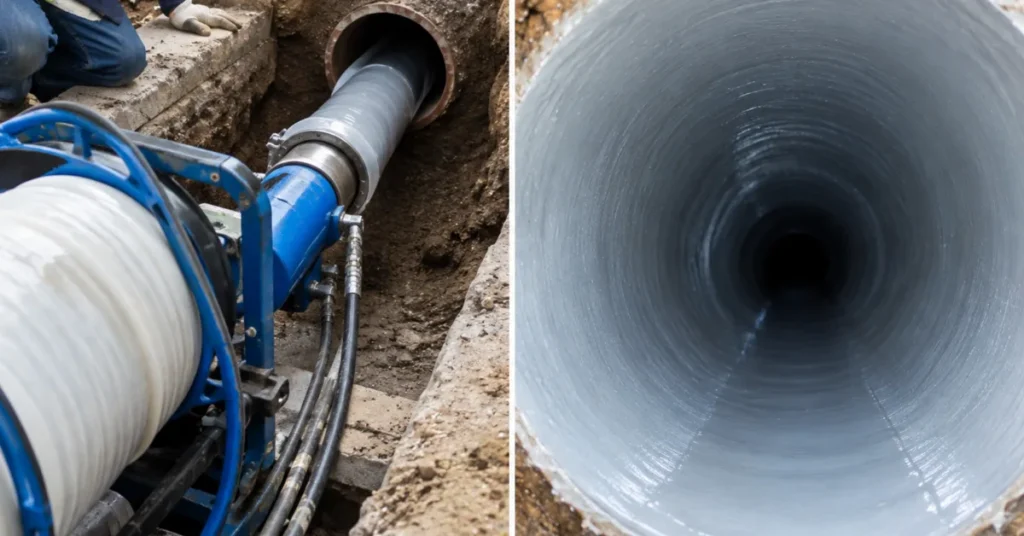
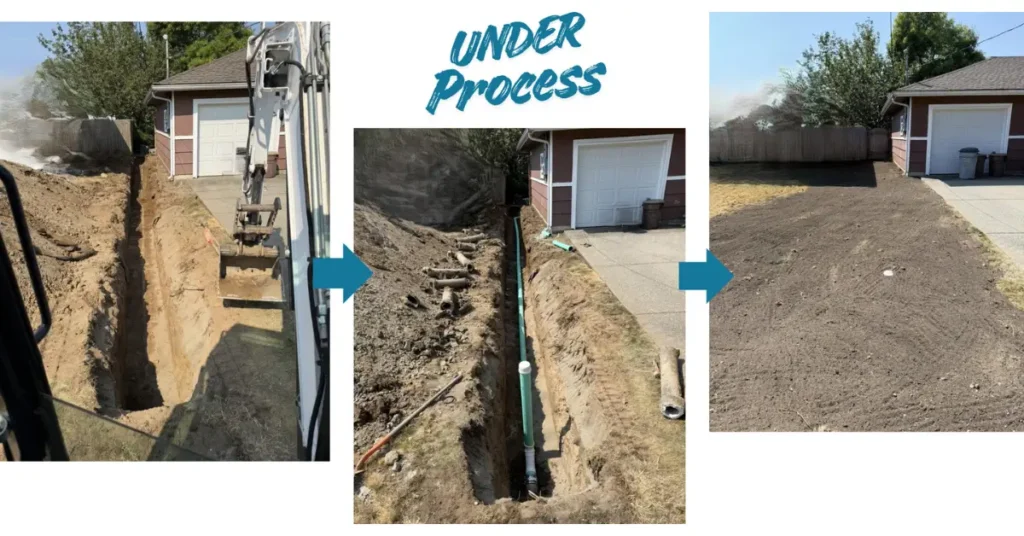
Services We Offer — Gardena’s Sewer Line Repair
Every service listed here is something we do as our core work, not a line item buried in a general plumbing menu.
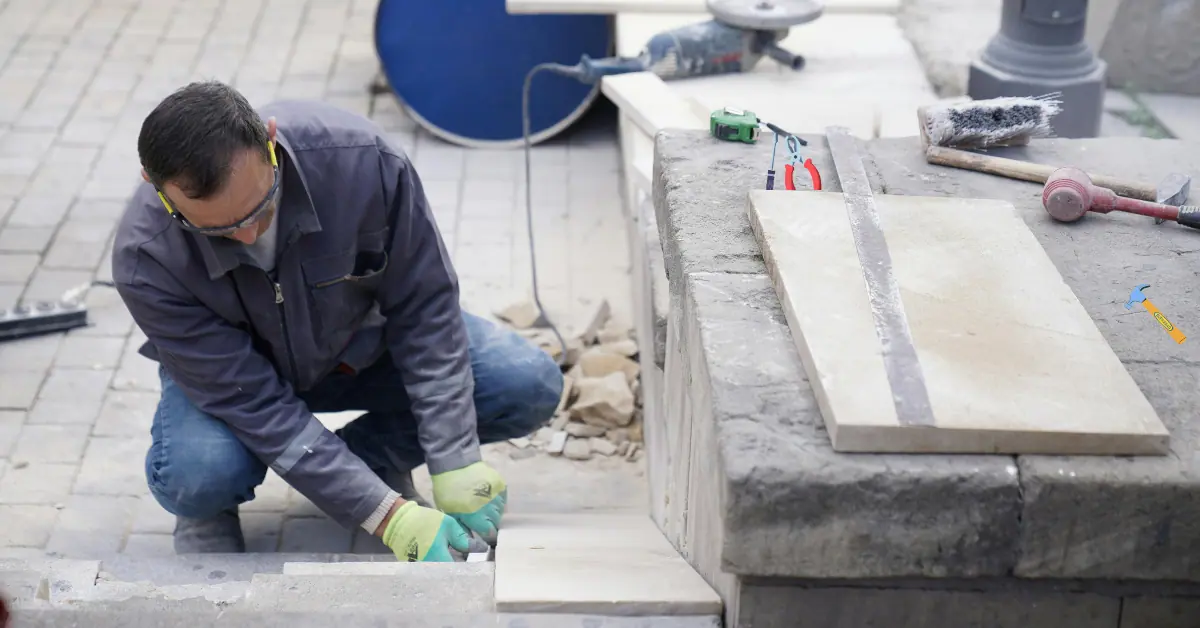
Start Here
Sewer Line Inspection
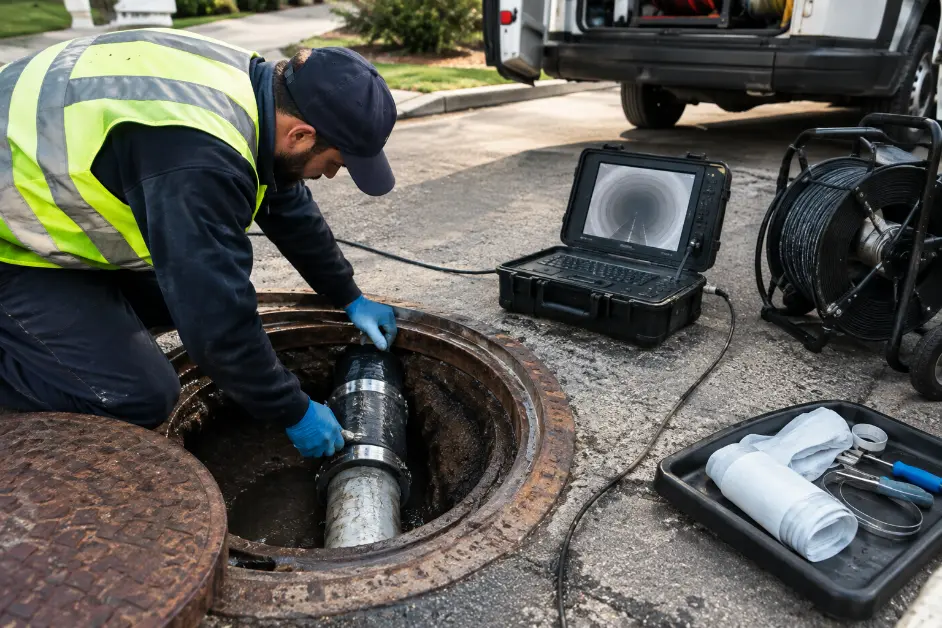
This is where every job starts, and it’s the single most important step in the whole process. A waterproof, self-lit camera on a flexible cable travels the length of your line, giving a direct, real-time view of the pipe’s interior: cracks, root intrusion, bellied (sagging) sections, corrosion, and material type. You don’t get a technician’s guess based on symptoms alone. You get an actual video record of the problem, its exact location measured by footage from the access point, and a diagnosis you can see for yourself before agreeing to any repair.
Trenchless
Trenchless Sewer Repair
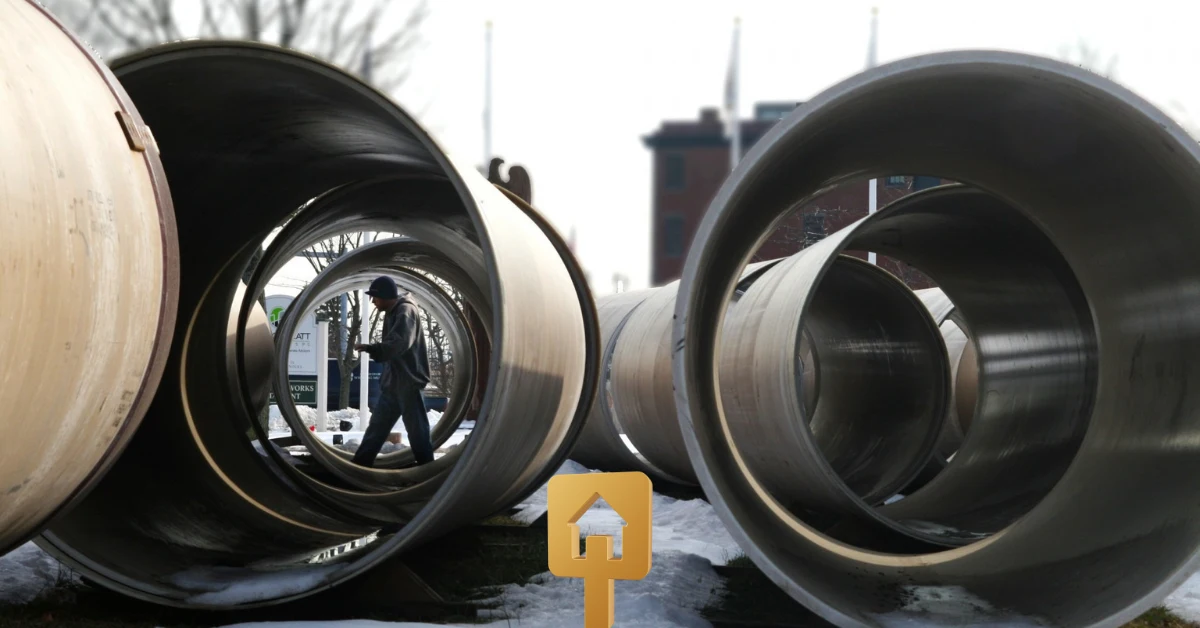
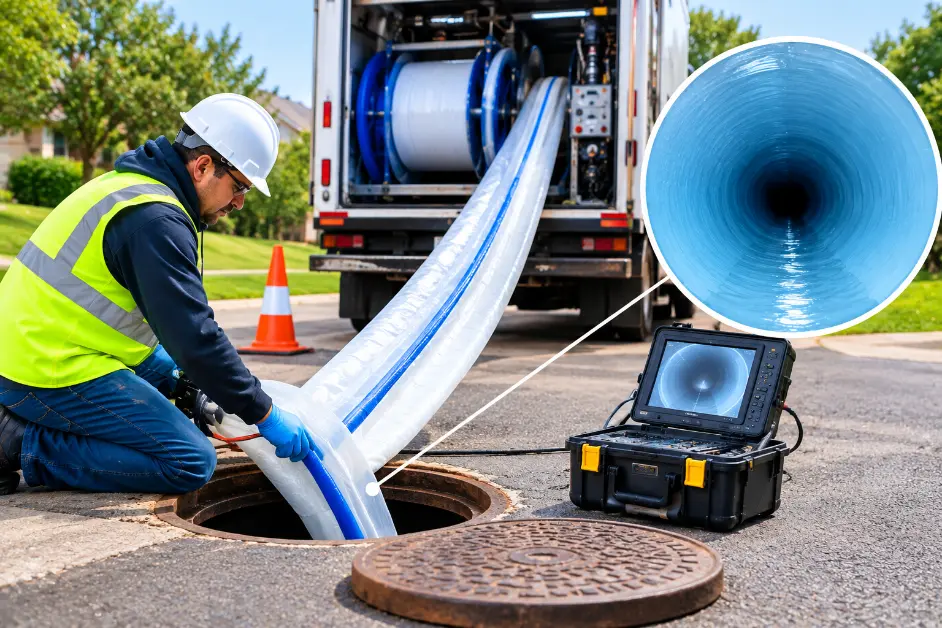
Cured-in-place pipe lining installs a resin-saturated felt or fiberglass liner inside your existing damaged pipe. The liner is inflated and cured in place, forming a new, jointless pipe within the old one. It’s installed through your existing access points, so there’s no trench across your yard, driveway, or patio. That makes it especially valuable for lines running under mature landscaping, hardscape, or a structure, where excavation would mean real, costly disruption.
Detection
Sewer Line Leak Detection
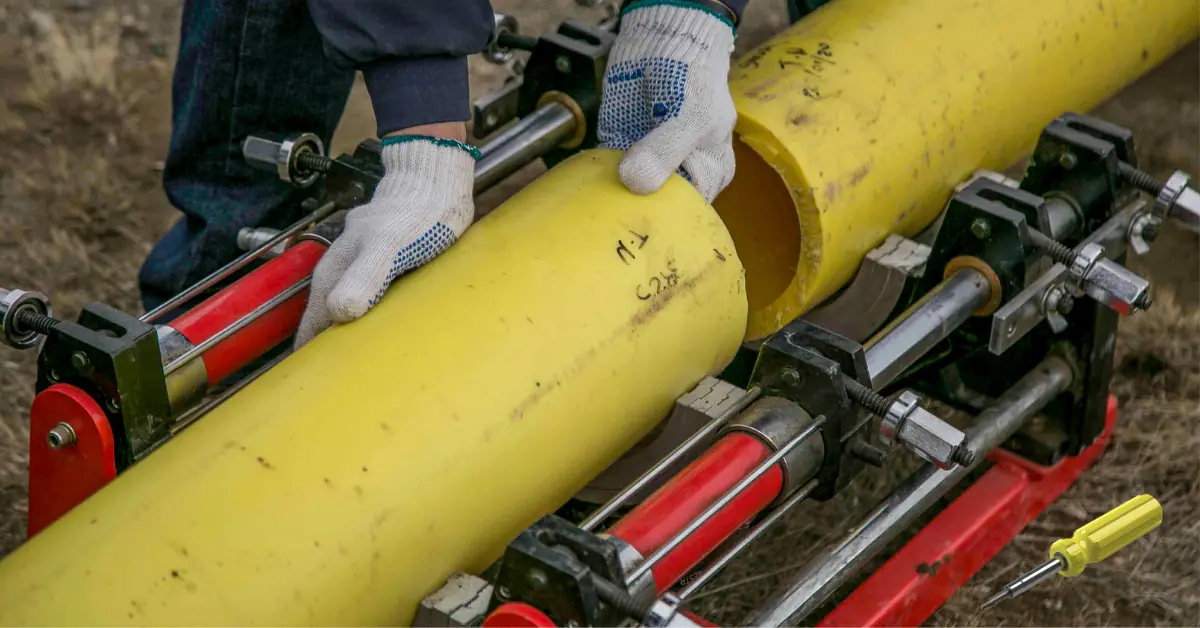
Not every problem shows up as a backup. Sometimes the first sign is a spike in your water bill, a damp patch in the yard, or a musty smell with no obvious source. We use camera inspection alongside smoke testing and acoustic leak detection to find leaks that aren’t yet causing a visible blockage. Catching a leak at this stage is almost always cheaper than waiting for it to become a full failure.
Rooter
Rooter Service
Once roots have grown into a line through a cracked joint or corrosion pinhole, hydro jetting alone doesn’t always clear a mature root mass. We use mechanical root cutting, a rotary cutting head on a cable, to physically shred the root intrusion from inside the pipe, then flush the debris out. For lines with a recurring root problem, we can follow that with a foaming root treatment applied inside the pipe to slow regrowth at that joint. This is a maintenance step, not a permanent fix. If the joint itself is failing, the roots will find their way back in until the joint is repaired or the section is relined.

Locating
Sewer Line Locating
Before any excavation, permit filing, or property line dispute gets resolved, you need to know exactly where your sewer line runs and how deep it sits. We use electronic line locating equipment, a transmitter fed through the line paired with a receiver above ground, to map the line’s exact path and depth. This matters before you plant a tree, pour a driveway, or start any digging project of your own, not just before a repair.
Cleaning
Sewer Line Cleaning
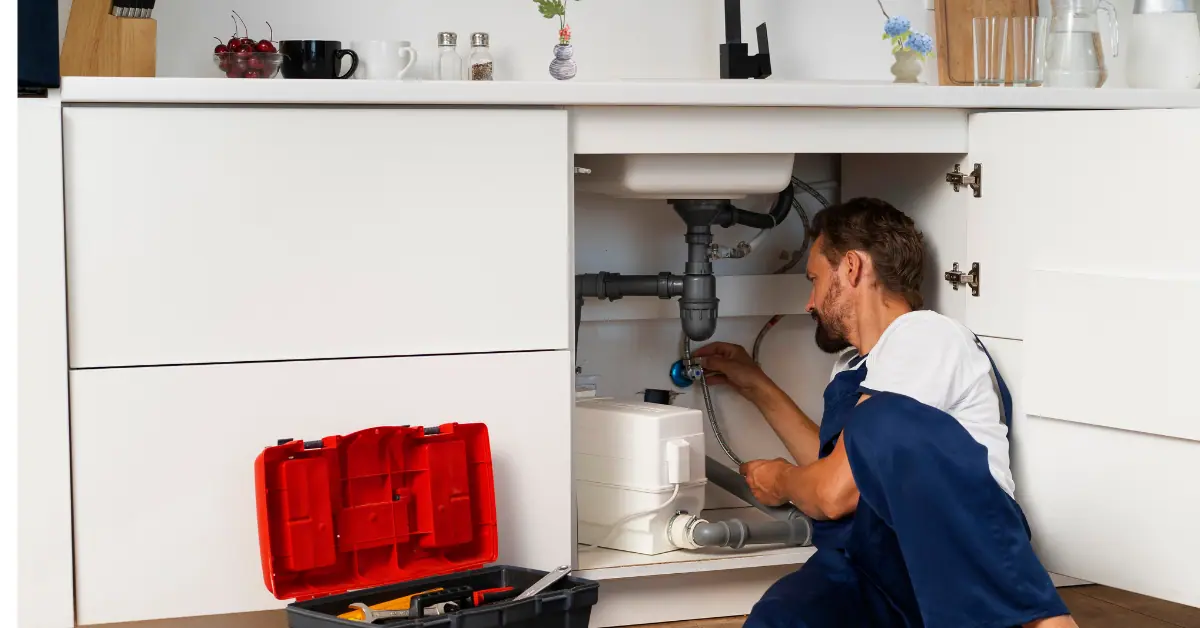
Grease, scale, and root intrusion build up inside even a structurally sound line, narrowing the pipe until a heavy-use day backs it up. We clear it with hydro jetting, mechanical snaking, or root cutting, whichever fits what the camera shows, then verify the line is actually clear before we call the job done. A quick hydro jetting visit now costs a fraction of the excavation you’d be facing if that buildup is left to become a full blockage.
Replacemnet
Sewer Line Replacement
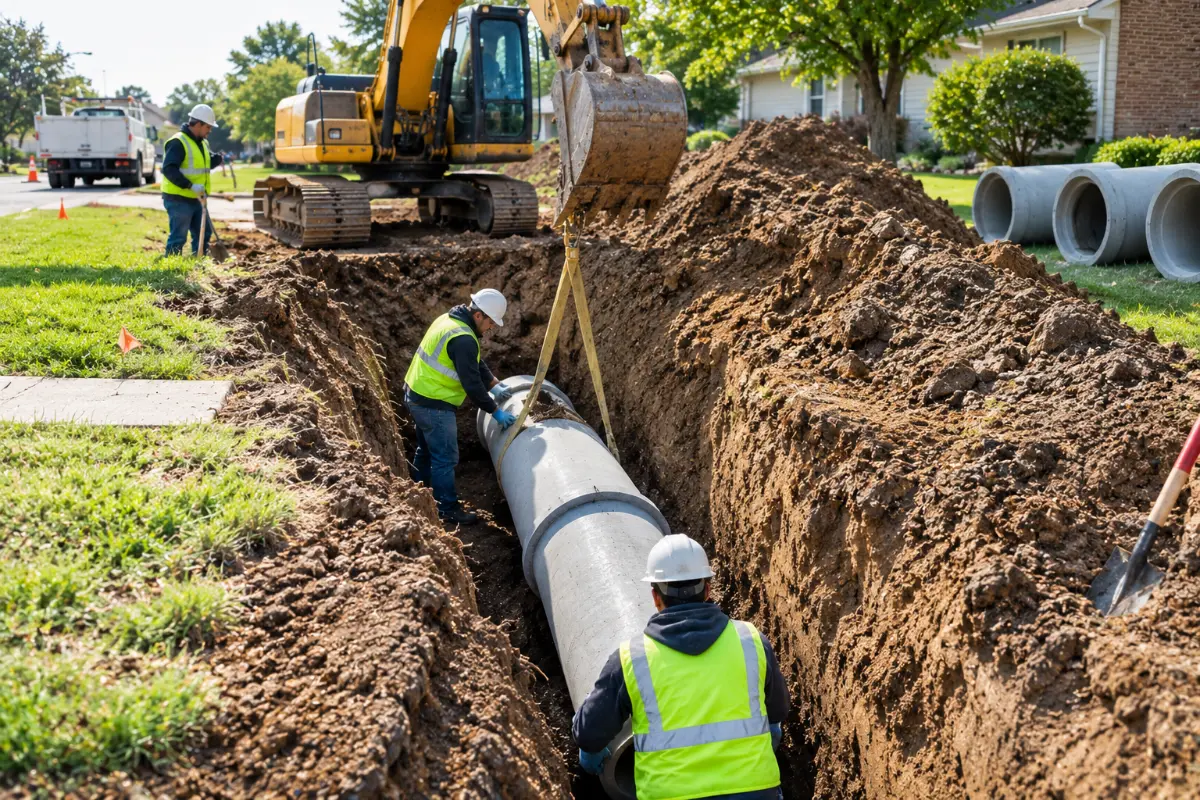
Not every situation is a good candidate for trenchless methods. A fully collapsed section, a line that’s shifted out of alignment, unusually shallow depth, or certain access constraints can mean open-trench excavation is the more reliable option. Sometimes it’s the only option. We won’t default to this because it’s simpler to plan. We’ll tell you directly whether trenchless is genuinely viable for your line, or whether it isn’t.
Spot Repair
Sewer Line Spot Repair
When a camera inspection shows the damage is isolated to one section of the line, rather than spread along its full length, replacing or relining the entire lateral isn’t necessary. A spot repair addresses just the failed section. It costs and disrupts a fraction of what a full-line job does, and it’s the right call whenever the rest of the line is still in serviceable condition.
Why Choose FlowPro Over a General Plumbing Company
A general plumbing company treats sewer line work as one service among many. We treat it as the only thing we do — every camera inspection, every hour of experience goes toward this one specialty.
- C-36 licensed sewer and drain specialists
- 5+ years serving Gardena homeowners
- Sewer and drain only. We don’t spread our expertise across HVAC, water heaters, and general plumbing. This is the one thing we do, and doing one thing means doing it more precisely.
- Camera-verified diagnosis before every quote. You see what we see, not a description of what we claim to have seen.
- Written, itemized pricing. No “starting at” numbers that grow once the crew arrives.
- Permits handled as part of the job. Not an extra step left to you.
Years — Sewer & Drain Only
C-36 licensed sewer and drain specialists serving Gardena homeowners.
Gardena ZIP Codes Served
90247, 90248, and 90249 — including Hollypark, El Camino Village, Strawberry Park, and Moneta.
Don’t Guess At What’s
Happening Underground
Signs You Need Sewer Line Repair
You don’t have to wait for a full backup to justify calling. These specific signs point to a main-line problem rather than a single blocked fixture.
Multiple Slow Drains
A single slow drain is usually a local clog: hair in a bathroom sink, food in a kitchen drain. But when your kitchen sink, bathtub, and toilet are all draining slowly at once, that’s different. Water from every fixture in the house is trying to pass through the same shared line. That line is the bottleneck. This is one of the clearest signs that the problem is downstream of your fixtures, not inside them.
Gurgling Sounds
Flush a toilet and hear gurgling from a nearby shower drain? Run the washing machine and hear the toilet gurgle? That means air is being forced backward through the system, because something further down the line is restricting flow. That trapped air has to escape somewhere. It’s escaping through the path of least resistance: your fixtures.
Sewage Odor In The Yard
A cracked or separated lateral lets sewer gas escape into the soil above it. Rain saturates that soil and pushes the trapped gas upward faster. That’s why homeowners often notice the smell right after a storm, even though the underlying crack has been there for months or years.
Lush Or Soggy Lawn Patches
Wastewater leaking from a cracked lateral acts like free fertilizer and free irrigation for whatever is planted above the leak. If one strip of your lawn stays greener or wetter than the rest of the yard, even after everything else has dried out, that strip often traces the exact path of the buried line.
Recurring Backups
Snaking clears whatever is blocking the line at that moment. But if the underlying cause is structural (a bellied section holding standing water, a root mass that regrows, a collapsed section), the blockage will reform. If you’ve paid to have the same clog cleared more than once in a year, snaking is treating a symptom, not the cause.
Backup Into Lowest Drain
This is the most serious sign on this list. It means the main line is blocked badly enough that wastewater is finding the lowest available exit point, instead of flowing out to the street. If this happens, stop running water in the house. Call for an inspection before using any drains. Continued use can push more sewage back into the home.
Equipment We Use in Line Repair
The right diagnosis and the right repair both depend on the right equipment, not just experience.
Sewer Inspection Cameras
A waterproof, self-lit push camera travels the full length of your line, giving a direct, real-time view of cracks, root intrusion, corrosion, and bellied sections. This is what replaces guesswork with an actual diagnosis, and it’s the first thing that goes into your sewer line on every job, before any pricing conversation happens.
Electronic Line Locating
A transmitter fed through the line, paired with a receiver above ground, maps your sewer line’s exact path and depth before any excavation or permit filing. This is what lets us mark a line precisely instead of guessing at where to dig.
Hydro Jetting Machines
A high-pressure water jetter cuts through grease buildup, scale, and root intrusion, and flushes debris out ahead of it, restoring the pipe’s full interior diameter rather than just punching a hole through a blockage.
Mechanical Root-Cutting
For root masses too established for jetting alone, a rotary cutting head on a cable shreds the intrusion from inside the pipe before the line is flushed clean.
Trenchless Pipe Lining (CIPP)
A resin-saturated liner is inserted through existing access points and cured in place, forming a new, jointless pipe inside the old one, without opening a trench across your yard.
Pipe Bursting Equipment
A bursting head fractures the old pipe outward while pulling a new, continuous pipe into place behind it, used when the existing line is too damaged or misaligned for lining to work.
Excavation Equipment
When a collapsed, misaligned, or unusually shallow line rules out trenchless methods, we bring the equipment needed to excavate, replace, and properly backfill and compact the trench.
Our Sewer Line Repair Process
Most residential inspections take well under an hour, start to finish, and you get diagnosis and pricing on the spot — not a callback days later.
Step 1 — Camera Inspection
We locate the exact problem and its position before recommending anything.
Step 2 — Written Diagnosis
Spot repair, trenchless lining, pipe bursting, or full replacement — each with a specific price.
Step 3 — Permit Handling
We pull the required City of Gardena permit as part of the job.
Step 4 — The Repair
Using the method that matches your pipe’s documented condition.
Step 5 — Camera Verification
We run the camera through the finished line and show you directly.
Step 6 — Cleanup & Restoration
Backfilled, compacted, and restored to original condition.
What Actually Causes Sewer Line Failures in Gardena
Generic “pipes get old” copy doesn’t explain anything useful. Here’s what’s mechanically happening underground.
Tree Root Intrusion
Roots don’t cause a crack in an intact pipe. They exploit one that already exists. Mature trees on older residential streets grow root systems that actively seek out moisture. A hairline separation at a clay pipe joint, or a pinhole corrosion spot in cast iron, is exactly the kind of moisture source roots are drawn to. Once a root finds that opening, it grows into it. The growing root physically widens the crack from the inside, turning a minor joint separation into a real structural gap over a few growing seasons. It’s a self-reinforcing cycle. The wider the crack gets, the more root mass can enter. The more root mass inside the pipe, the more completely it blocks flow.
Pipe Material Age
Clay, cast iron, and Orangeburg pipe were the standard materials during the building era that shaped much of Gardena’s housing stock. None of them were designed with a multi-generational service life in mind. Modern replacement materials, PVC and ABS plastic pipe, don’t corrode and don’t have mortar joints to fail. They’re the standard for both trenchless and traditional replacement work today, specifically because they solve the failure modes of the older materials directly.
Ground Movement
Soil in parts of the South Bay contains meaningful clay content. Clay-bearing soils expand when they absorb moisture and contract as they dry out, a cycle that repeats every wet season and dry season. A rigid, jointed pipe material like clay or cast iron doesn’t flex with that movement. The repeated stress on pipe joints is a major reason joint separation is such a common failure point here, compared to markets with more stable, sandy soil.
Seasonal Rain Load
Forecasters are currently watching a strong El Niño pattern developing for the coming winter. Historically, that correlates with heavier, more concentrated Southern California rainfall. Heavier rain raises the groundwater table and saturates soil around an already-compromised pipe faster than a dry year would. Saturated soil around a cracked or bellied section adds hydrostatic pressure, which can turn a slow, minor leak into a full backup within a single storm. If your line already has a weak point, a wet winter is statistically the season it tends to surface as an actual failure, rather than staying a hidden, slow-developing problem.
Grease & Buildup
Even in a structurally sound pipe, years of grease, soap scum, and mineral buildup narrow the effective diameter of the line. That leaves less margin to handle a heavy-use day before backing up. Unlike the causes above, this one isn’t about pipe age or soil. It’s about ongoing use, and it’s fully preventable with routine hydro jetting instead of emergency intervention.
What Sewer Line Repair Costs in Gardena
These figures are current market ranges, not a quote for your specific property. Every job gets an exact, written number after a camera inspection, before any work starts.
Spot / Point Repair
$2,000–$8,750 depending on length and depth of the affected section.
Trenchless Pipe Lining (CIPP)
About $135–$150 per linear foot — no trench across your yard.
Trenchless Pipe Bursting
About $150–$190 per linear foot for a full pipe replacement.
Full Open-Trench Replacement
Commonly $10,000–$25,000+ depending on line length and access.
Inspection & Permits
Camera inspection: $175–$350. Permits: up to $1,000.
Price ranges vary and depend on these factors:
- Length of the run. The distance from your house to the City’s main line under the street is the single biggest cost driver on any job, since both material and labor scale directly with linear footage. A 30-foot run and a 100-foot run are fundamentally different jobs in cost even using the identical repair method.
- Depth. Deeper lines require more excavation volume for open-trench work, and can require additional access pits for trenchless methods — depth adds cost in both approaches, just through different mechanisms.
- Access and surface restoration. A line running under bare soil is the cheapest scenario to repair. A line running under a driveway, mature hardscape, or structural foundation adds both repair complexity and restoration cost afterward.
- Pipe material and condition. A line requiring a straightforward reline is a different cost than one requiring full excavation because it’s collapsed. This is exactly why the camera inspection happens before pricing, not after.
- Permit requirements. The City of Gardena permit for sewer lateral work is a real, required cost on top of the labor and materials, and it’s included in our written quotes rather than surfacing as a surprise line item afterward.
Testimonials | What Gardena Homeowners Say
Real feedback from real jobs.
Sara M.
“John ran the camera and showed us exactly where the root intrusion was before recommending anything. We ended up needing a spot repair, not the full replacement we were worried about.”
Michael K.
“Called at 9 pm with a backup into the bathtub, and someone was out within the hour. They walked us through what was happening and had it cleared and diagnosed the same night.”
Henry Z.
“We were quoted a full replacement by another company. FlowPro ran a camera first and showed us the line was a candidate for lining instead, which saved us from tearing up the driveway.”
Service Areas
Sewer Line Repair Service | Areas We Serve in California
Don’t see your city? Call (833) 770-5501.
Frequently Asked Questions
Don’t guess at what’s happening underground. Call us and get an exact diagnosis, not a guess, before you spend a dollar on repair.